
The Heartfelt Journey of a Notary Serving in Hospice Care
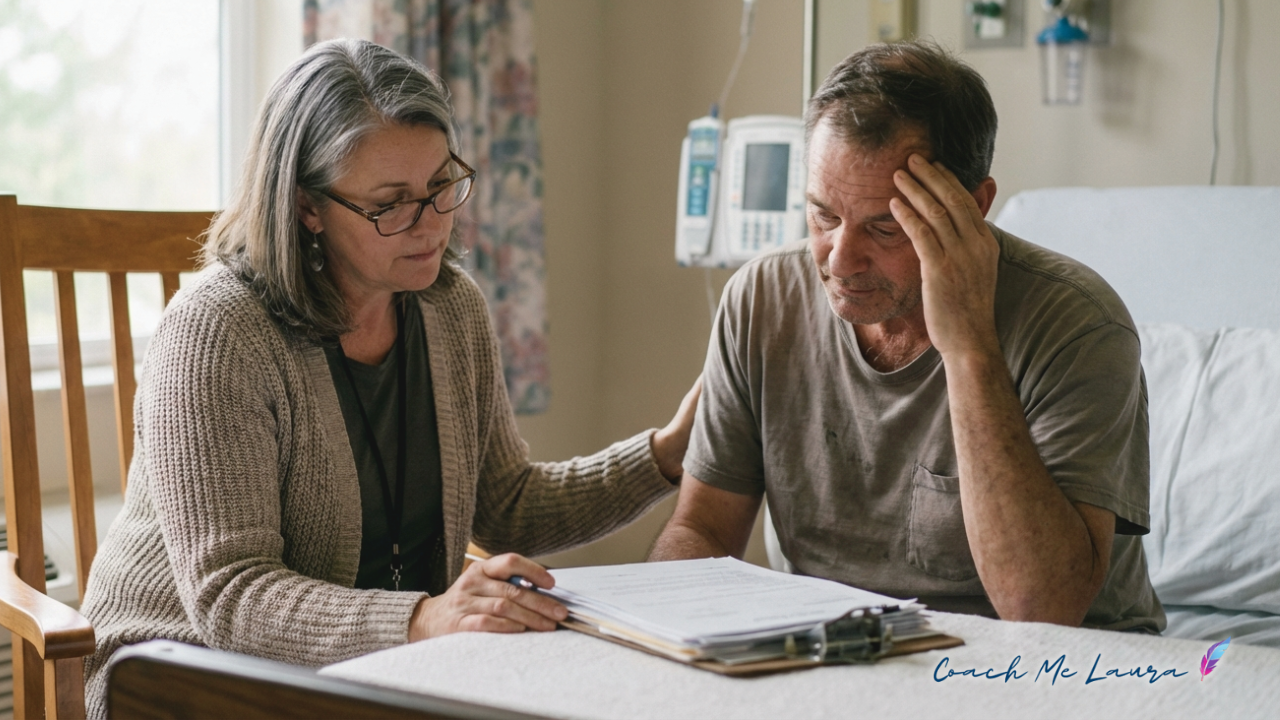
Some assignments stay in your journal.
Others stay in your heart.
This one did both.
I received a call to a hospice wing in a care facility. It was newly opened. Quiet. Tucked away. The kind of hallway where footsteps feel louder and time moves differently.
He was there alone.
The closest available bed had been more than 200 miles from his home. His wife could not travel. She was preparing for her own surgery. His adult children lived out of state. The only people coming and going were caregivers and a hospice nurse.
My first appointment was simple on paper. He needed to remove his name from the deed to their home, leaving his wife as sole owner.
He had the document prepared. It was neat. Organized. Ready.
He was not.
He told me about his leukemia. A few months, he said. He could still walk with a walker, but slowly. His balance was unsteady. His body had begun the quiet work of shutting down.
We completed the notarization. It was professional. Proper. By the book.
But befor...
How a Notary Appointment Changed My Life and My Family Forever
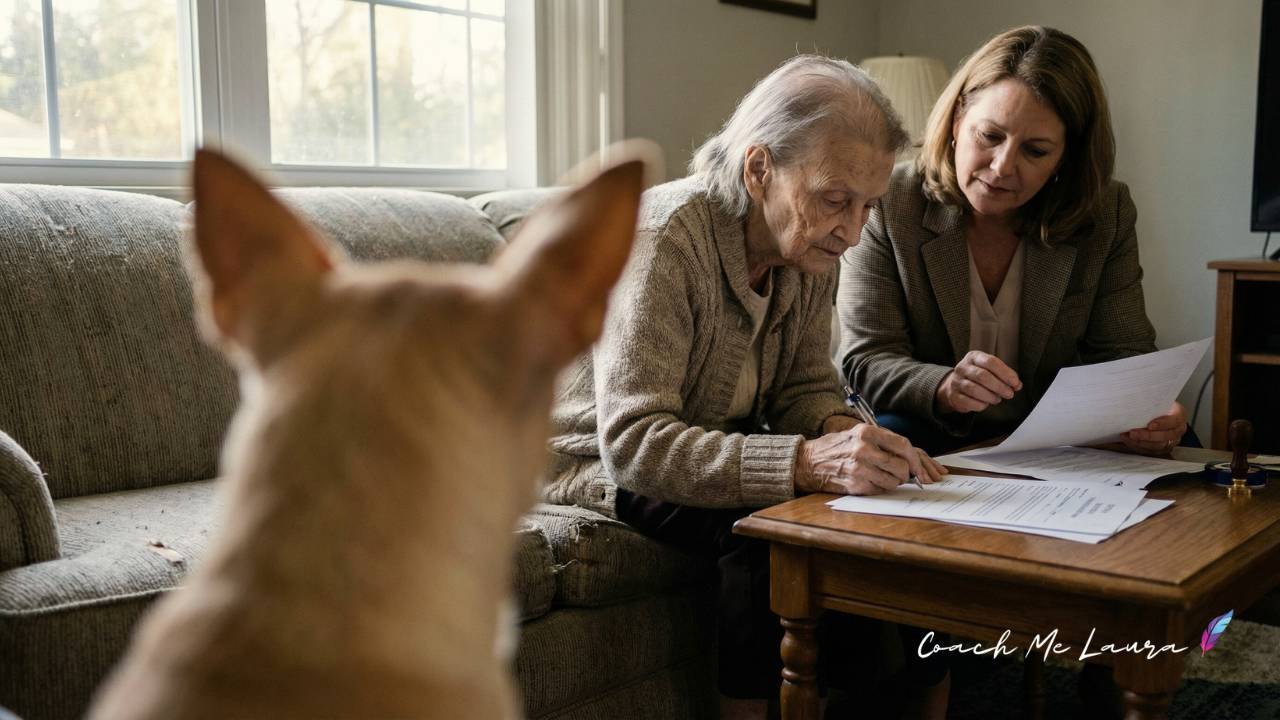
Have you ever taken your work home with you?
When people ask what I do for a living, I tell them I'm a public servant called a notary public, who serves the public and businesses properly execute their documents as a professional witness so they are accepted by a receiving agency and can be utilized for it's intended purpose. I specialize in trust delivery and estate planning work. What I don't always mention is how often this work takes me into hospitals, skilled nursing facilities, and hospice centers, places where people are facing some of the hardest moments of their lives.
Sometimes, being a compassionate notary means going beyond the notarization itself.
It might mean offering postage stamps when the facility doesn't have any and a document needs to be mailed. Or dropping something at the post office because the signer has no way to get there themselves.
Sometimes it means staying a little longer—just to sit and listen—especially when someone has no family or friends nearby t...

Certified Notary Trust Delivery Agent
Earn Up To $250 Per Appointment Notarizing Estate Planning Documents
Did you know that every living trust package, in every state, requires 6-8 notarizations (or more)? An attorney is not required, but a notary is! Typical fees for "trust delivery" average $125-$250 per appointment.
If you're tired of low-ball signing appointment offers, being treated like a "dime-a-dozen" by escrow officers, driving all over town for minimal pay, printing hundreds of pages at your expense, or waiting for the federal government to lower interest rates?
Then becoming a Certified Notary Trust Delivery Agent (CNTDA) might be the next step in your notary career.
FREE DOWNLOAD
Hospital Notarization Guide
Are you trying to get into a hospital to provide notary service? Just add your name and email here and I'll send you my guide: "Steps to successful hospital notarizations" as well as a PowerPoint training you can use for medical staff.

Laura Biewer
Mentor / Coach
Based in Modesto CA, Laura has over 20 yrs experience as a mobile notary and Certified Loan signing agent. She has developed expertise in notary laws and regulations as a CA mandated training instructor. In addition, Laura is able to assist notaries in all 50 states with notary, marketing, networking and branding questions.
